1. Definition of a screw chiller
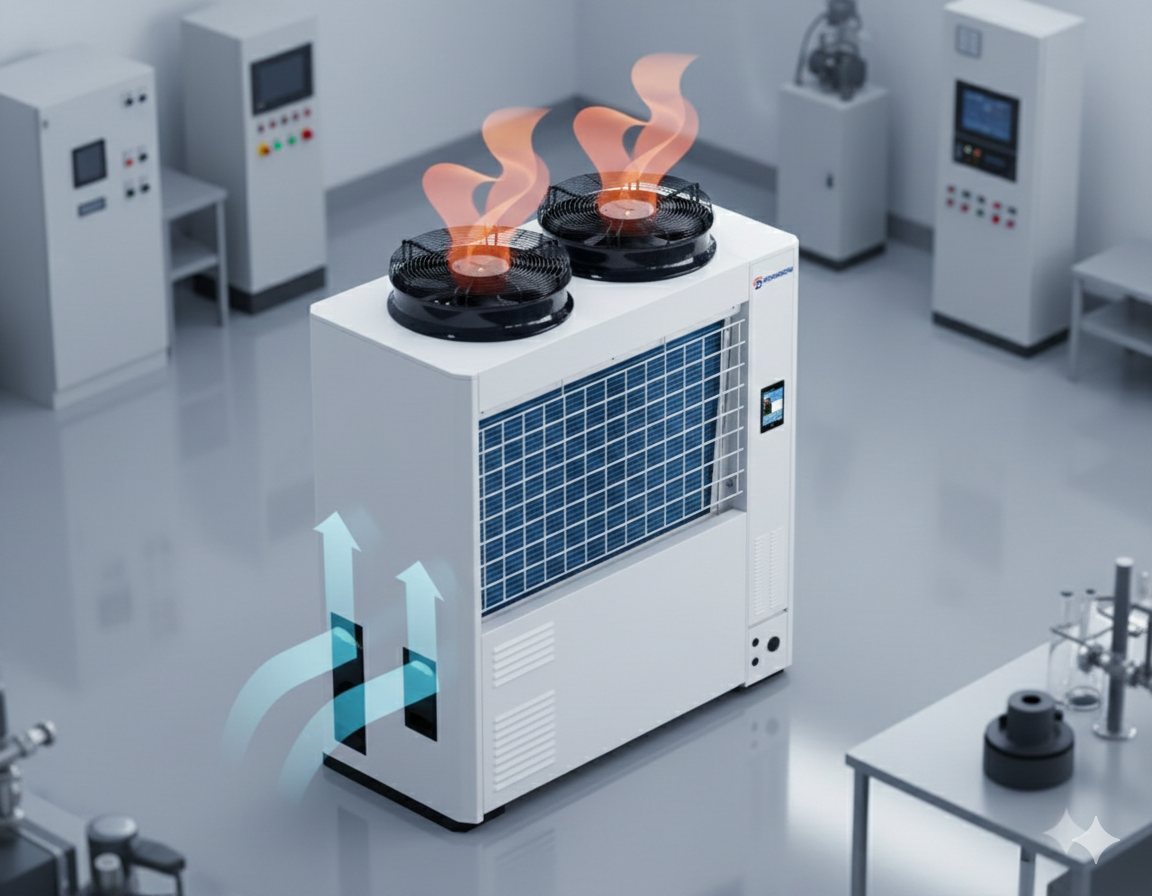
Screw chillers are industrial refrigeration systems designed to deliver stable, high-capacity cooling using rotary screw compressors. They are widely applied in medium to large-scale cooling scenarios where reliability, energy efficiency, and continuous operation are essential.
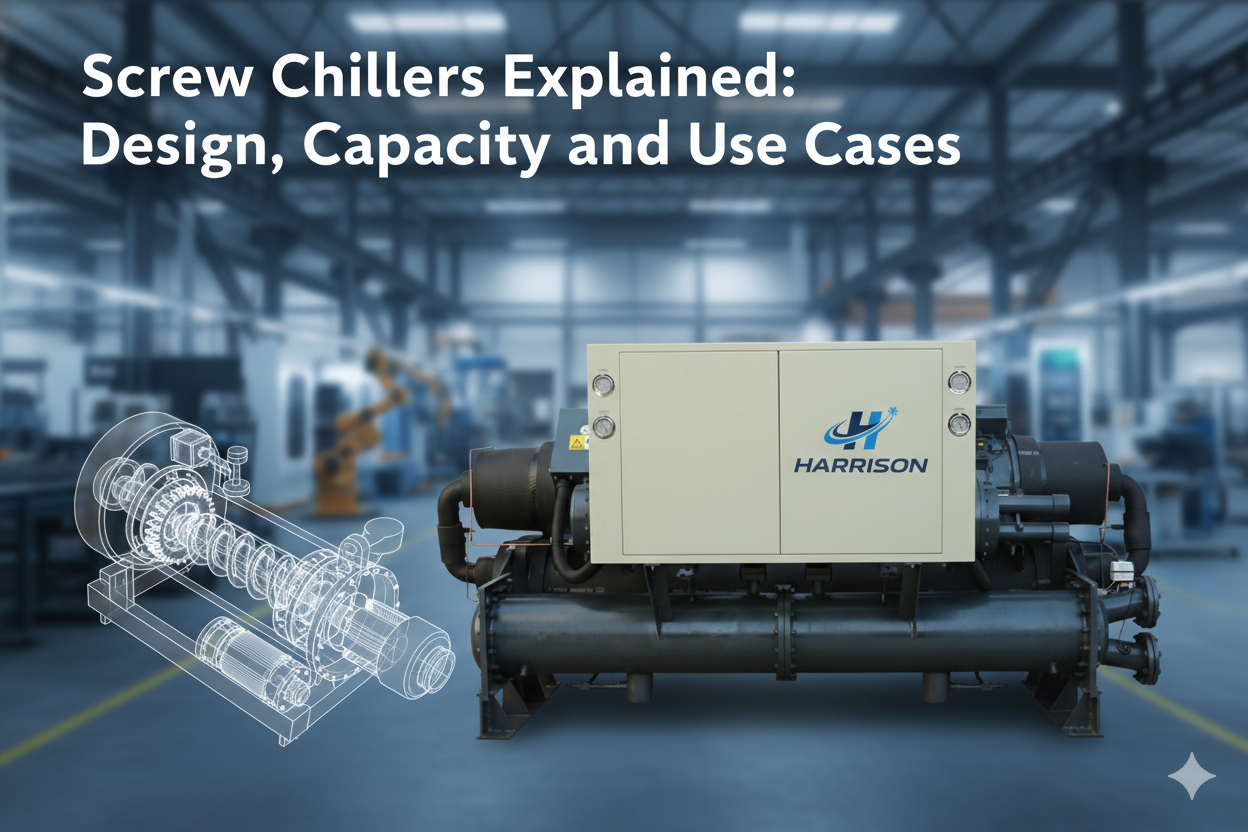
Unlike reciprocating or scroll chillers, screw chillers utilize intermeshing male and female rotors to compress refrigerant smoothly and continuously. This design minimizes vibration, reduces mechanical wear, and ensures consistent cooling performance under variable load conditions.
Modern screw chillers are available in both air-cooled and water-cooled configurations and are commonly used in manufacturing plants, data centers, commercial buildings, chemical processing, plastics production, and pharmaceutical facilities.
 screw chiller working principle" width="1248" height="832" />
2. Industry Pain Points Solved by Screw Chillers
⚠️ Industrial cooling systems often face operational challenges that directly impact productivity and operating costs.
- Unstable cooling under fluctuating loads: Traditional systems struggle with frequent capacity changes.
- High energy consumption: Inefficient compressors increase electricity expenses.
- Frequent equipment failure: Mechanical stress shortens system lifespan.
- Noise and vibration issues: Excessive vibration affects surrounding equipment.
- Environmental compliance pressure: Stricter energy and emission regulations.
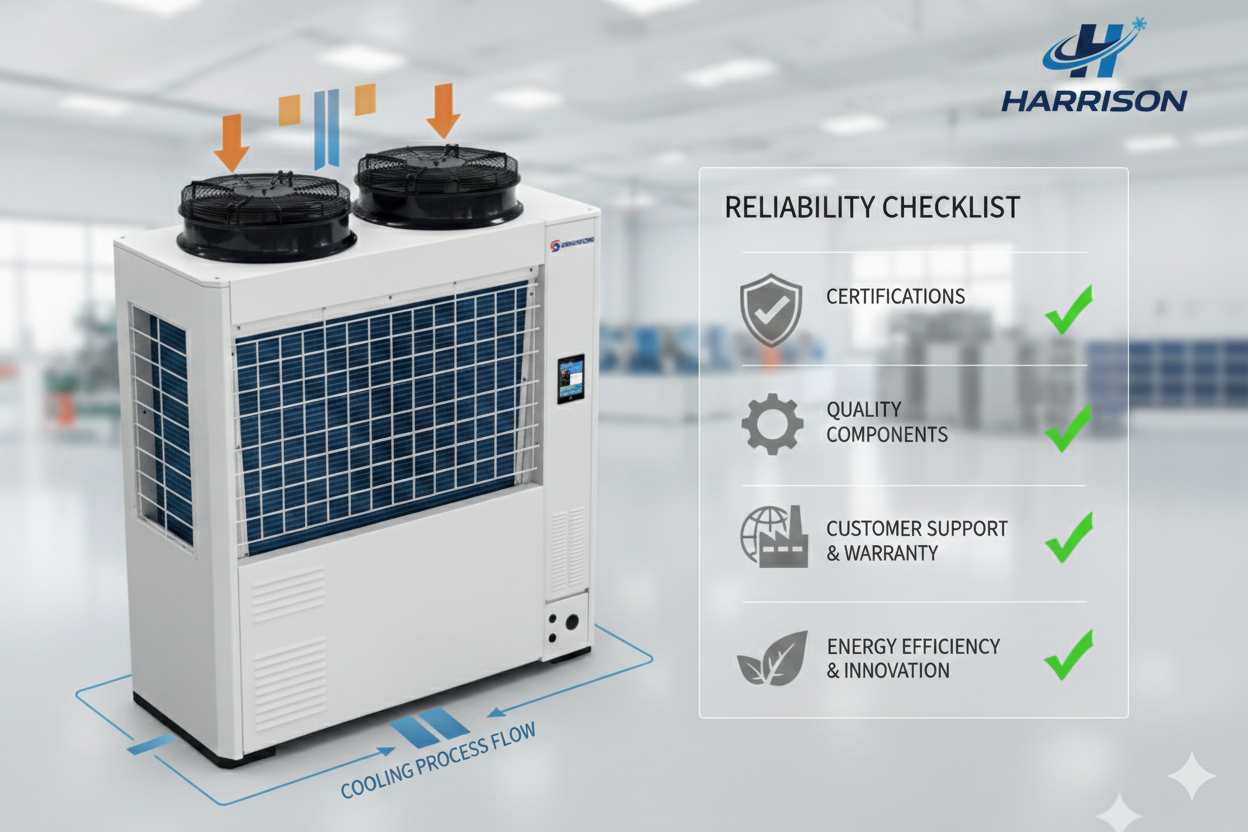
✅ Screw chillers address these pain points through advanced capacity modulation, robust compressor design, and intelligent control systems that ensure stable, efficient, and environmentally responsible cooling.
3. Working Principle of Screw Chillers
Screw chillers operate based on the vapor compression refrigeration cycle, which consists of four main stages:
- Evaporation: Refrigerant absorbs heat from the chilled water circuit.
- Compression: Screw compressors continuously compress refrigerant vapor.
- Condensation: Heat is released to air or cooling water.
- Expansion: Refrigerant pressure is reduced before re-entering the evaporator.
The continuous rotary motion of screw compressors eliminates pulsation and improves part-load efficiency, making them ideal for long-duration industrial operation.
4. Industrial Application Case Study
Project: Automotive components manufacturing plant
Cooling Demand: CNC machining, welding lines, hydraulic systems
🔧 Solution Implemented:
- Water-cooled screw chillers (800 kW × 2 units)
- Variable frequency drives (VFD)
- Central chilled water distribution
- Energy monitoring and intelligent control platform
📈 Results:
- Energy consumption reduced by approximately 32%
- Stable temperature control within ±0.2°C
- Significant reduction in downtime
- Improved product quality and process reliability
5. Comparison with Traditional Cooling Methods
| Criteria | Screw Chiller | Traditional Cooling |
|---|---|---|
| Energy Efficiency | High, optimized at part load | Low efficiency |
| Control Intelligence | Smart PLC & BMS integration | Manual or basic control |
| Environmental Impact | Low-GWP refrigerants | Higher emissions |
| Reliability | Designed for 24/7 operation | Higher failure rate |
6. Frequently Asked Questions (FAQ)
Q1: What capacity range do screw chillers cover?
They typically operate from 100 kW to several megawatts.
Q2: Are screw chillers suitable for continuous operation?
Yes, they are designed for 24/7 industrial use.
Q3: Do screw chillers save energy?
Yes, especially under partial load conditions.
Q4: Are screw chillers noisy?
No, they feature low vibration and smooth operation.
Q5: What refrigerants are used?
R134a, R1234ze, and other low-GWP refrigerants.
Q6: Can they integrate with BMS?
Yes, fully compatible with smart building systems.
Q7: How long is the lifespan?
Typically 20–25 years with proper maintenance.
Q8: Are screw chillers environmentally friendly?
Yes, modern designs focus on energy efficiency and sustainability.
7. Conclusion
Screw chillers provide an optimal balance of capacity, efficiency, intelligence, and durability for modern industrial and commercial cooling applications. Their ability to maintain stable performance under variable loads makes them a long-term, cost-effective solution.
As industries move toward smarter, greener, and more reliable cooling systems, screw chillers remain a cornerstone technology for future-ready thermal management.