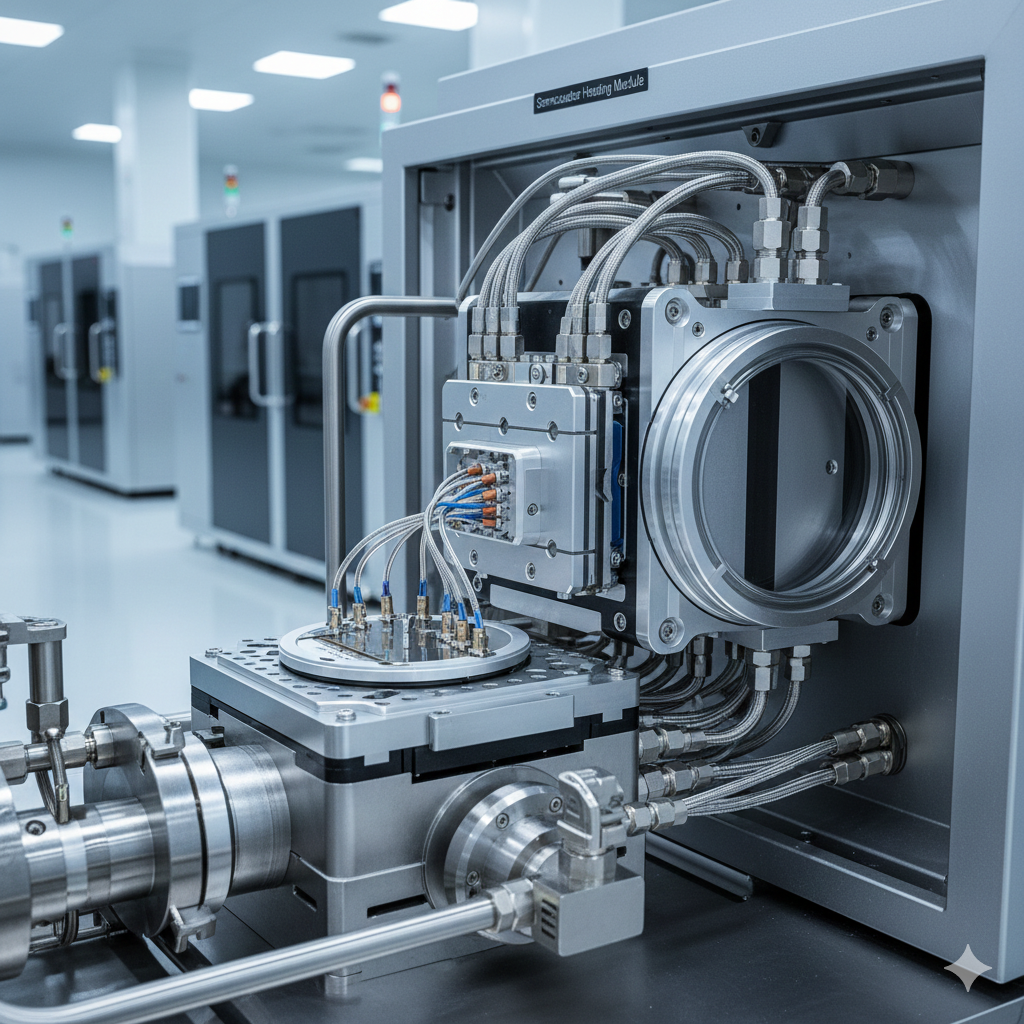
A Compact Semiconductor Equipment Heating Module is a highly integrated thermal control unit designed to deliver precise, stable, and energy-efficient heating for semiconductor manufacturing equipment. It provides controlled thermal energy to critical components such as process chambers, fluid lines, wafers, optical paths, and sensitive electronic subsystems, ensuring consistent operating temperatures essential for yield, reliability, and process repeatability. By combining compact mechanical design with advanced thermal regulation, the module enables reliable thermal management in space-constrained and high-precision semiconductor environments.
Industry Pain Points Addressed
1. Temperature Instability Affecting Process Yield
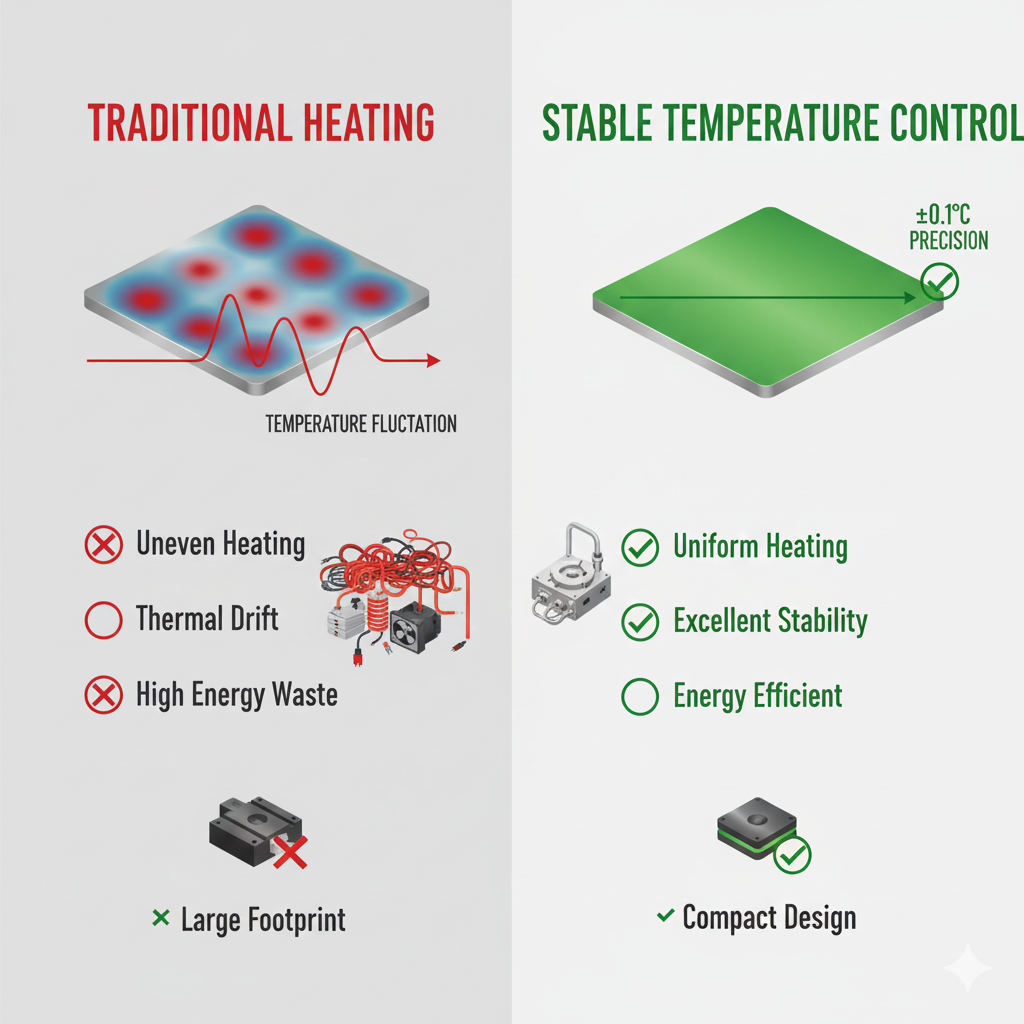
Semiconductor processes are extremely sensitive to temperature fluctuations. Even minor thermal drift can result in non-uniform deposition, etching inconsistencies, or measurement errors. Traditional heating Solutions often struggle to maintain tight temperature tolerances under dynamic operating conditions.
2. Excessive Energy Consumption and Inefficiency
Conventional resistance heaters and oil-based systems convert electrical energy directly into heat with limited efficiency. Continuous operation leads to high energy costs and thermal losses, especially in multi-module semiconductor equipment operating 24/7.
3. Limited Space for Thermal Components
Modern semiconductor tools prioritize compact layouts to increase functionality per footprint. Bulky heating systems, large insulation layers, and external heat sources complicate equipment design and restrict integration flexibility.
4. Slow Thermal Response and Control Lag
Legacy heating methods typically exhibit high thermal inertia, resulting in delayed temperature ramp-up and slow response to setpoint changes. This limits process flexibility and increases downtime during recipe transitions.
5. Reliability and Maintenance Challenges
Frequent thermal cycling accelerates degradation of traditional heaters, causing performance drift, localized overheating, and unplanned downtime.
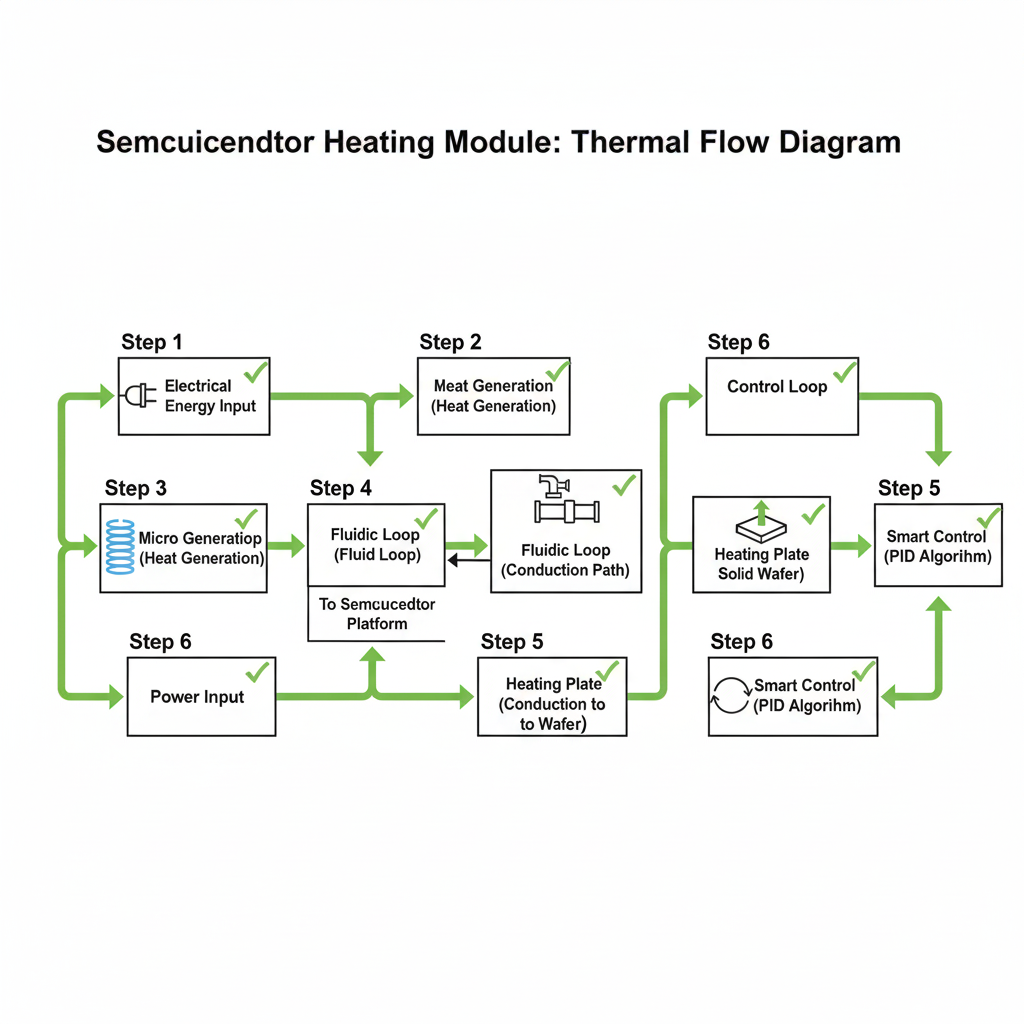
Working Principle – Step-Based Structure
Step 1: Electrical Energy Input and Control Initialization
The heating module receives electrical power and initializes its embedded control system. Temperature targets are defined based on process requirements and equipment operating modes.
Step 2: Heat Generation and Thermal Amplification
Electrical energy is converted into thermal energy through optimized heat generation components, maximizing usable heat output while minimizing losses.
Step 3: Precision Heat Distribution
Thermal energy is evenly distributed across the target area using engineered heat exchangers or conduction pathways.
Step 4: Real-Time Temperature Sensing
High-resolution temperature sensors continuously monitor system conditions at multiple points.
Step 5: Closed-Loop Control and Adjustment
The control system dynamically adjusts heating power to maintain tight temperature stability, typically within ±0.1–0.3 °C.
Step 6: Continuous Operation and Optimization
The module adapts to load changes while minimizing energy consumption and thermal stress.
 Compact Semiconductor Equipment Heating Module for Reliable Thermal Management" width="1024" height="1024" />
Application Case Study
Background
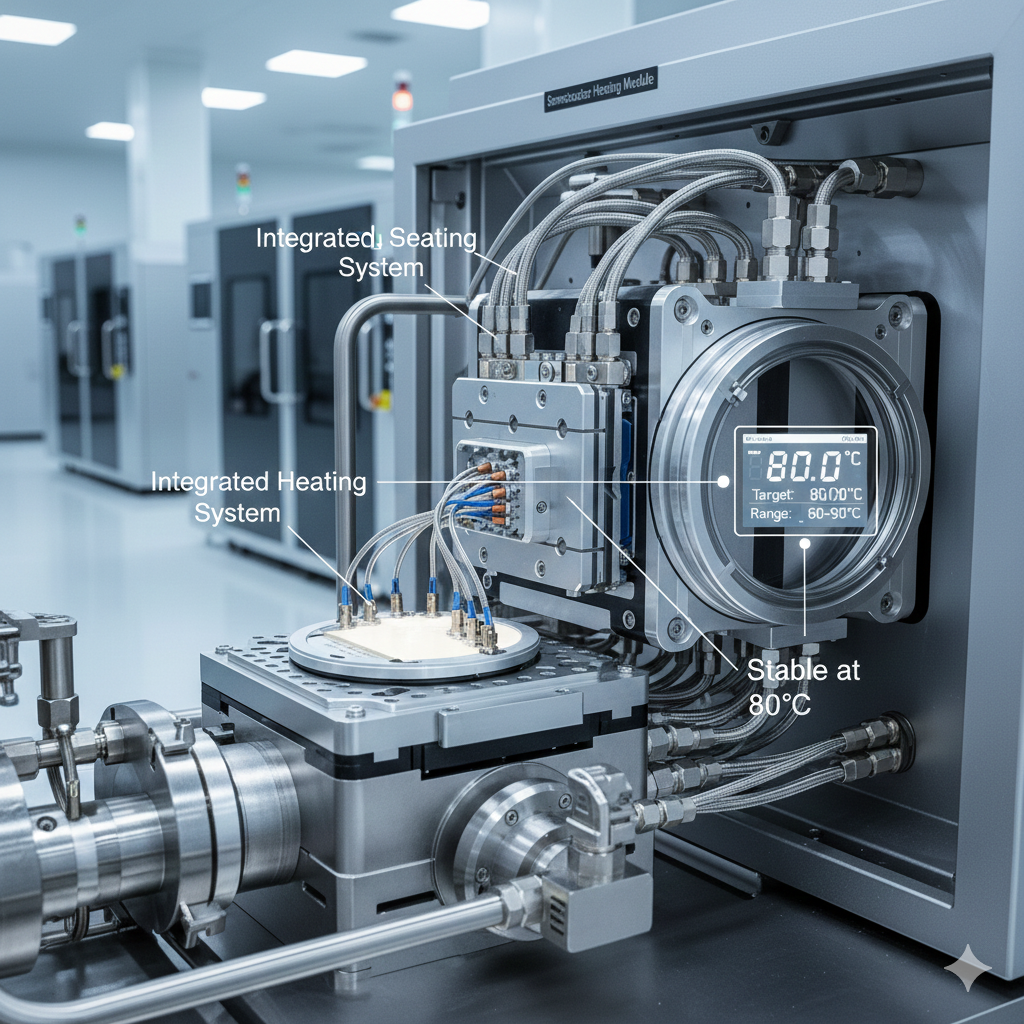
A semiconductor equipment manufacturer required a compact heating solution for a wafer processing chamber operating between 60 °C and 90 °C.
Solution Implementation
A compact semiconductor equipment heating module was integrated directly into the chamber assembly, replacing multiple discrete heaters.
Operational Performance
Stable temperature control at 80 °C with deviation less than ±0.2 °C was achieved.
Results Achieved
- Yield improvement due to consistent thermal conditions
- Energy consumption reduced by approximately 35%
- Reduced equipment footprint
- Extended maintenance intervals
Comparison with Traditional Heating Methods
| Dimension | Compact Module | Resistance Heater | Hot Air | Oil Bath |
|---|---|---|---|---|
| energy efficiency | High | Low | Low | Low |
| Temperature Stability | ±0.1–0.3 °C | Unstable | Poor | Slow |
| Response Speed | Fast | Medium | Slow | Very Slow |
| Integration Size | Compact | Medium | Bulky | Large |
| Maintenance | Low | High | High | High |
Frequently Asked Questions
FAQ 1: Semiconductor-grade precision supported.
FAQ 2: Designed for continuous 24/7 operation.
FAQ 3: Compact and easy to integrate.
FAQ 4: Fast temperature ramping.
FAQ 5: Customizable for different equipment.
FAQ 6: 30–40% energy savings vs resistance heating.
FAQ 7: Uniform thermal distribution ensured.
FAQ 8: Minimal maintenance required.
Conclusion
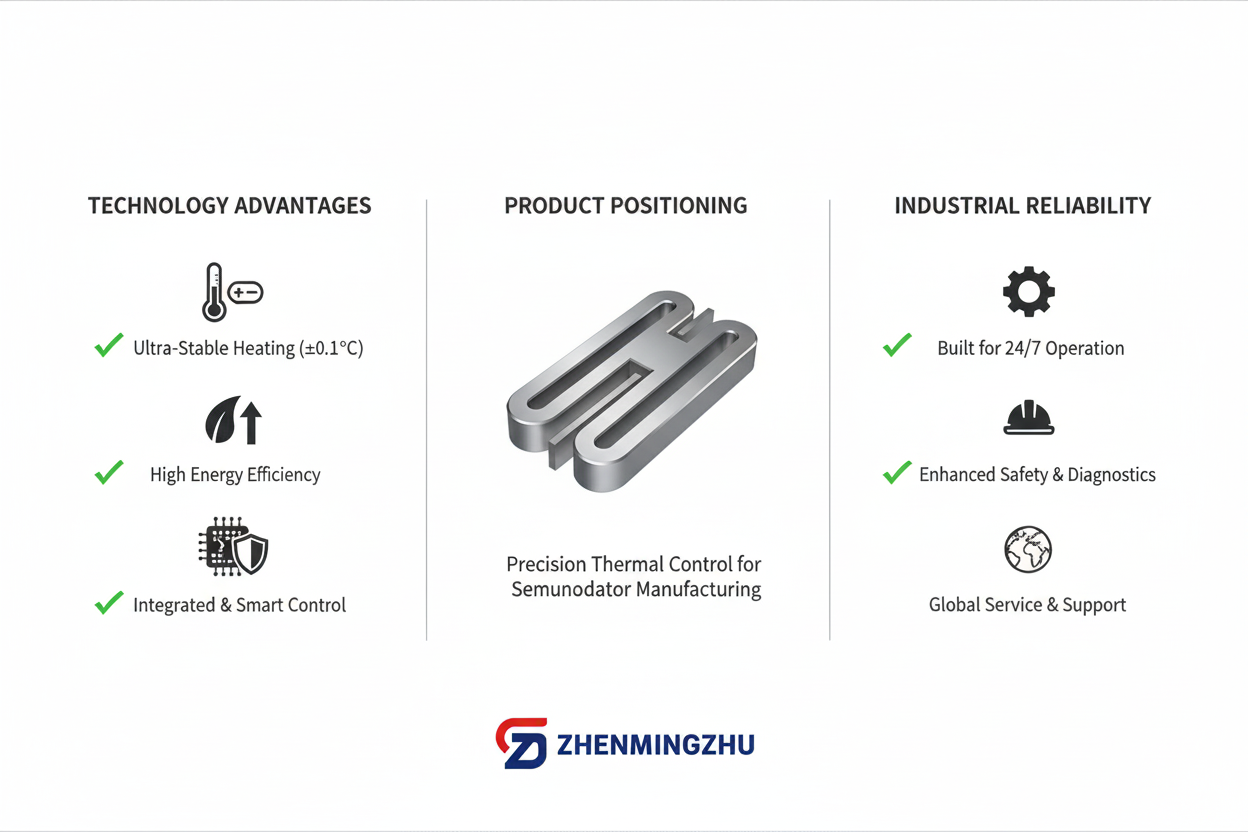
The Compact Semiconductor Equipment Heating Module represents a critical advancement in thermal management for semiconductor manufacturing. By delivering precise temperature control, fast response, compact integration, and improved energy efficiency, it directly addresses the limitations of traditional heating technologies. Its reliability and scalability make it an ideal solution for modern semiconductor equipment where process stability, yield optimization, and operational efficiency are paramount.