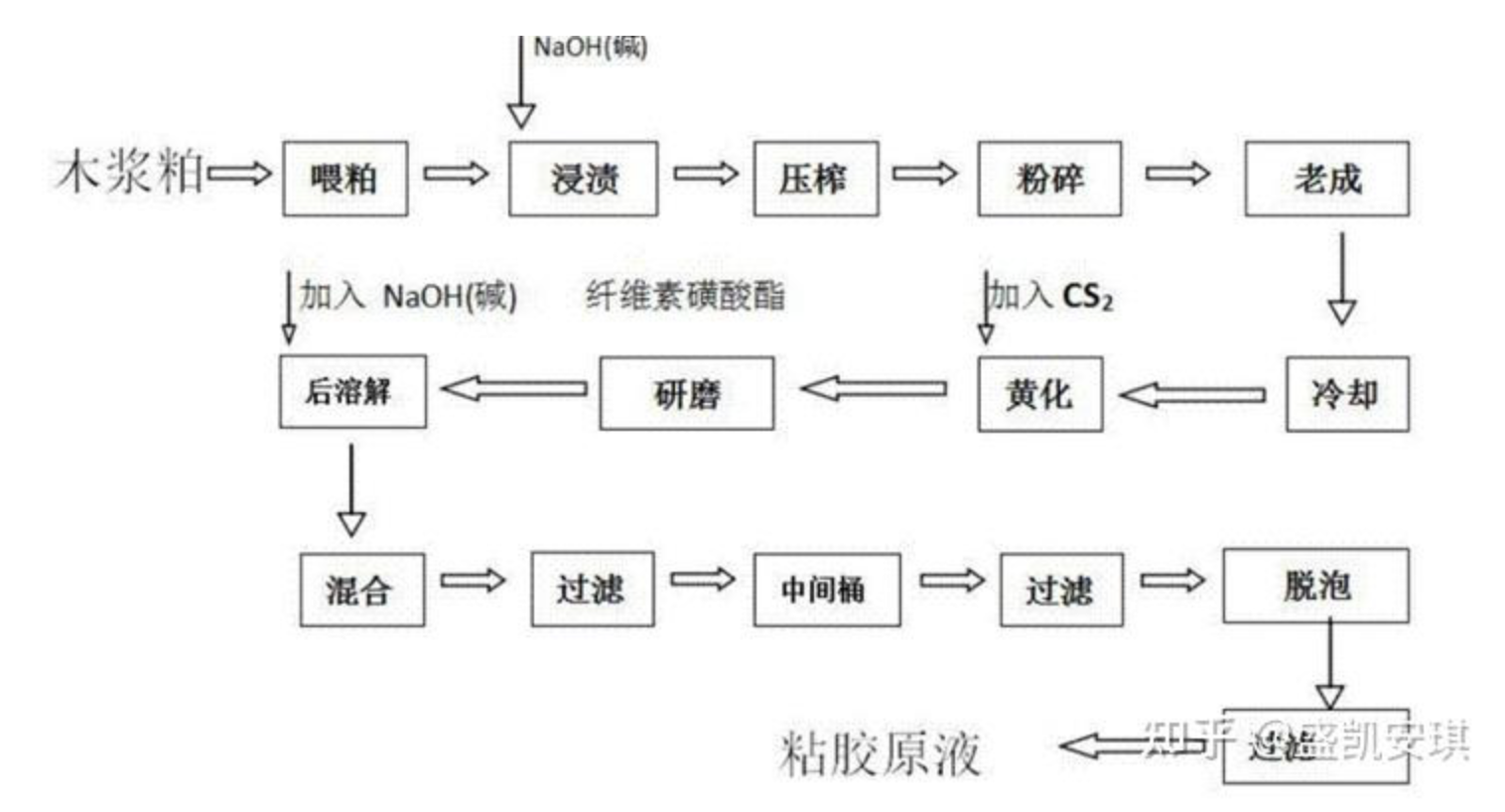
zhenmingzhu — specialist in industrial high-temperature heat pump system Solutions — explores how high-temp heat pumps enable Waste heat recovery, boost energy efficiency and reduce carbon emissions in paper cup manufacturing.
Overview
Paper cup production is a fast, continuous process that depends on precise, high-temperature thermal energy for steps such as forming, drying, coating (PE/PLA), and sterilization. Traditional boilers and fossil-fuel combustion create high running costs and significant CO2 emissions. The industrial high temperature heat pump offers a modern alternative: it recovers low-grade waste heat (from ovens, dryers, coating lines, and exhaust streams) and upgrades it to the high-temperature hot water or hot air required by the production line — often in the range of 80°C–140°C.
Paper Cup Production — Key Thermal Processes & Temperature Needs
- Pulp Preparation & Coating — requires heated coatings and adhesive activation at 60–110°C.
- Drying & Curing — rapid drying after coating or printing typically requires 80–140°C hot air or hot water circuits.
- Forming & Sealing — maintaining mold temperature and seal integrity at 80–120°C.
- Sanitation & Washing — hot water supply at 60–95°C for cleaning and sterilization.
These continuous, repeatable heating demands make paper cup lines ideal candidates for replacing or supplementing boilers with heat-pump based systems that maximize waste heat reuse.
How Industrial High-Temperature Heat Pumps Work in Paper Cup Lines
A high-temperature heat pump extracts low-grade heat (exhaust air from dryers, condenser water, cooling circuits, or warm wastewater) and increases its temperature through compression cycles and optimized heat exchangers. The resulting hot water or hot air is then fed back into dryer inlets, coating ovens, or preheating loops — reducing fuel burn and stabilizing process temperatures.
- Collect waste heat from dryers, ovens, and coolant circuits.
- Run the heat pump cycle to upgrade temperature (e.g., 40°C → 100°C).
- Distribute high-temp hot water/hot air to drying, curing, and forming stations.
- Monitor with PLC/EMS to optimize COP and ensure product quality.
Benefits — Energy, Cost & Environmental Gains
- Energy savings: Typical reductions of 30%–60% vs. fossil-fuel boilers, depending on COP and heat-source.
- Lower operating costs: Electricity-driven heat pumps cut fuel expenses and stabilize operating budgets.
- Carbon reduction: Significant CO2 cuts by lowering direct combustion.
- Improved product stability: More precise, consistent dryer and sealing temperatures improve sealing integrity and coating quality.
- Faster payback: Many retrofit projects achieve ROI within 1.5–3 years.
Typical Application Scenarios in Paper Cup Production
Below are common points where zhenmingzhu high-temp heat pumps integrate effectively:
- Dryer Exhaust Recovery: Upgrade 35–45°C exhaust air or water to 85–120°C hot air/water for re-use in drying tunnels.
- Coating & Lamination Lines: Provide hot-roll heaters and preheaters with stable 90–130°C hot water.
- Mold Preheating & Sealing Stations: Maintain mold temperature to secure reliable seals and reduce rework rates.
- Plant Sanitation: Supply process hot water for washdown and sterilization.
Case Study — Retrofit at a Paper Cup Plant (Example)
Site: Mid-size paper cup manufacturer (production: 25 million cups/month)
Prior system: Natural-gas boilers + electric heaters
Solution
Installed 2 × 150 kW zhenmingzhu high-temp heat pump units integrated with dryer exhaust recovery and coating-line preheaters. The heat pumps recovered condenser/wastewater heat (≈40°C) and delivered stable hot water at 100°C to dryers and sealing stations.
Measured Results (Annual Estimate)
| Metric | Before (Boilers) | After (Heat Pumps) |
|---|---|---|
| Energy Cost | $320,000 | $140,000 |
| CO₂ Emissions | High | Reduced >50% |
| Payback | n/a | ~1.8 years |
Note: Numbers are example estimates; exact savings depend on local energy prices and system sizing.
Implementation Tips & Best Practices
- Perform a heat-source audit to identify temperature, flow and duty cycle.
- Design for modularity — parallel heat pump modules improve reliability.
- Integrate PLC-based controls and energy management systems to optimize COP.
- Plan for seasonal variability and backup heat (if needed) for peak loads.
- Use corrosion-resistant exchangers and proper filtration for industrial fluids.
Conclusion
For paper cup manufacturers, switching to industrial high temperature heat pumps is a pragmatic route to reduce energy costs, cut carbon emissions, and improve process stability. zhenmingzhu delivers end-to-end solutions — from heat-source assessment to system commissioning and monitoring — enabling fast ROI and long-term sustainability.
FAQ
Q: What temperature can these heat pumps supply?
A: Standard outputs range from 80°C to 120°C; tailored systems can exceed 140°C.
Q: Can heat pumps work with existing boilers?
A: Yes — they can reduce boiler load or act as primary heat source for many processes.
Q: What is the typical payback period?
A: Commonly 1.5–3 years depending on local energy costs and available waste heat.